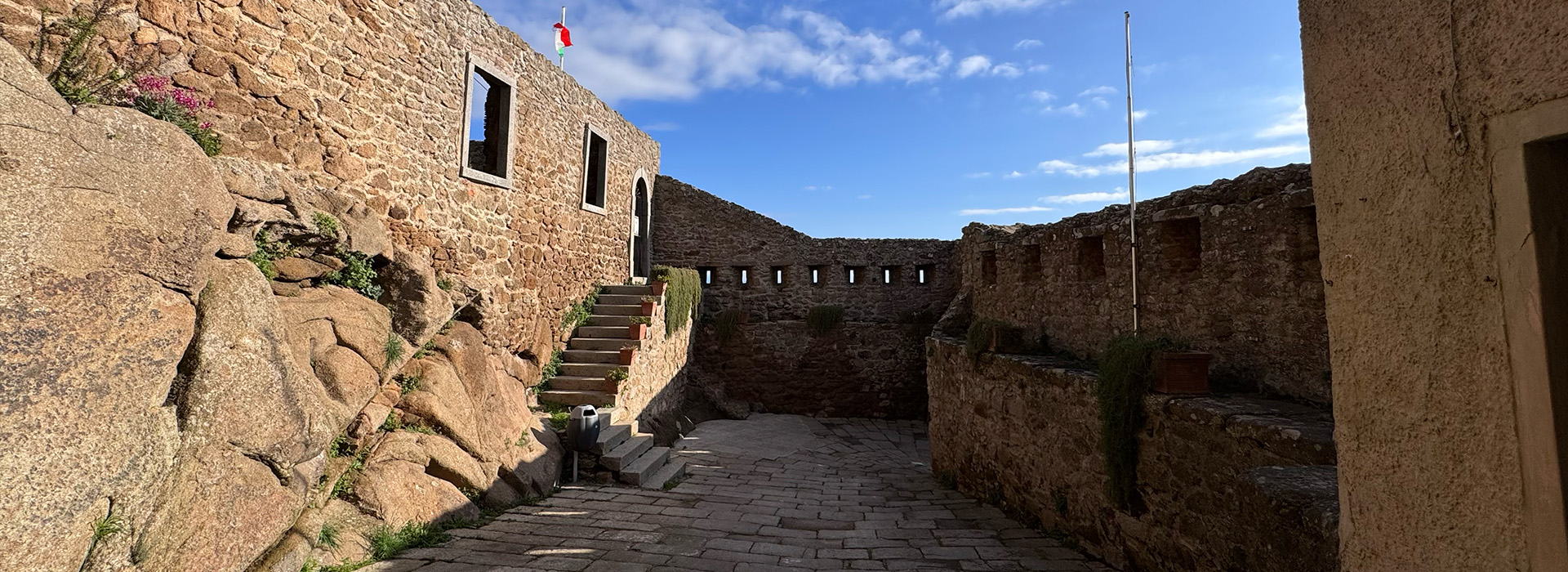
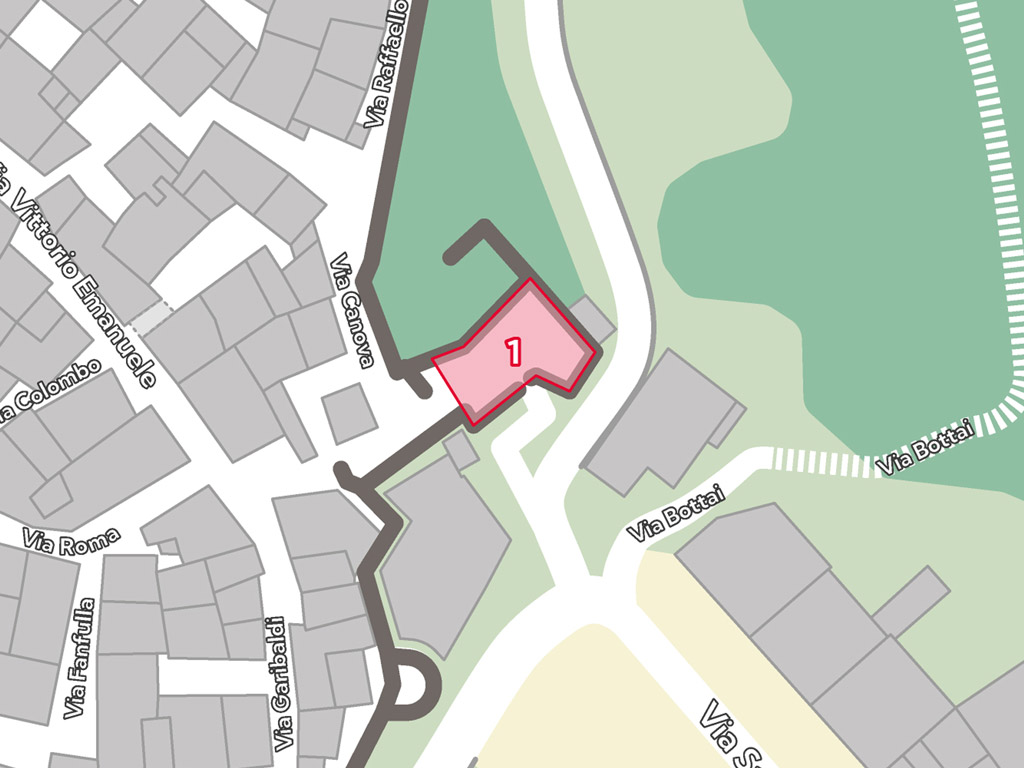
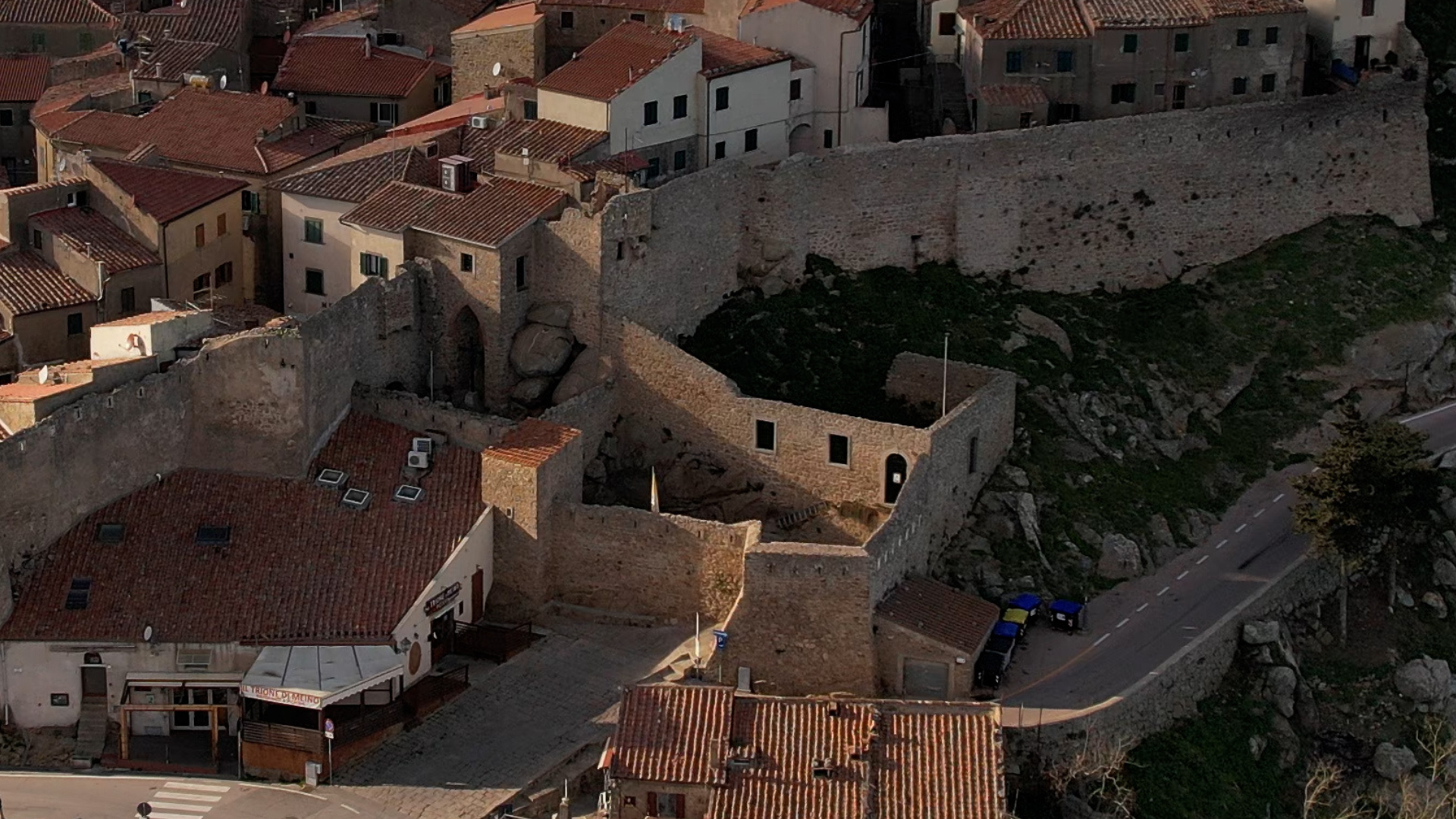
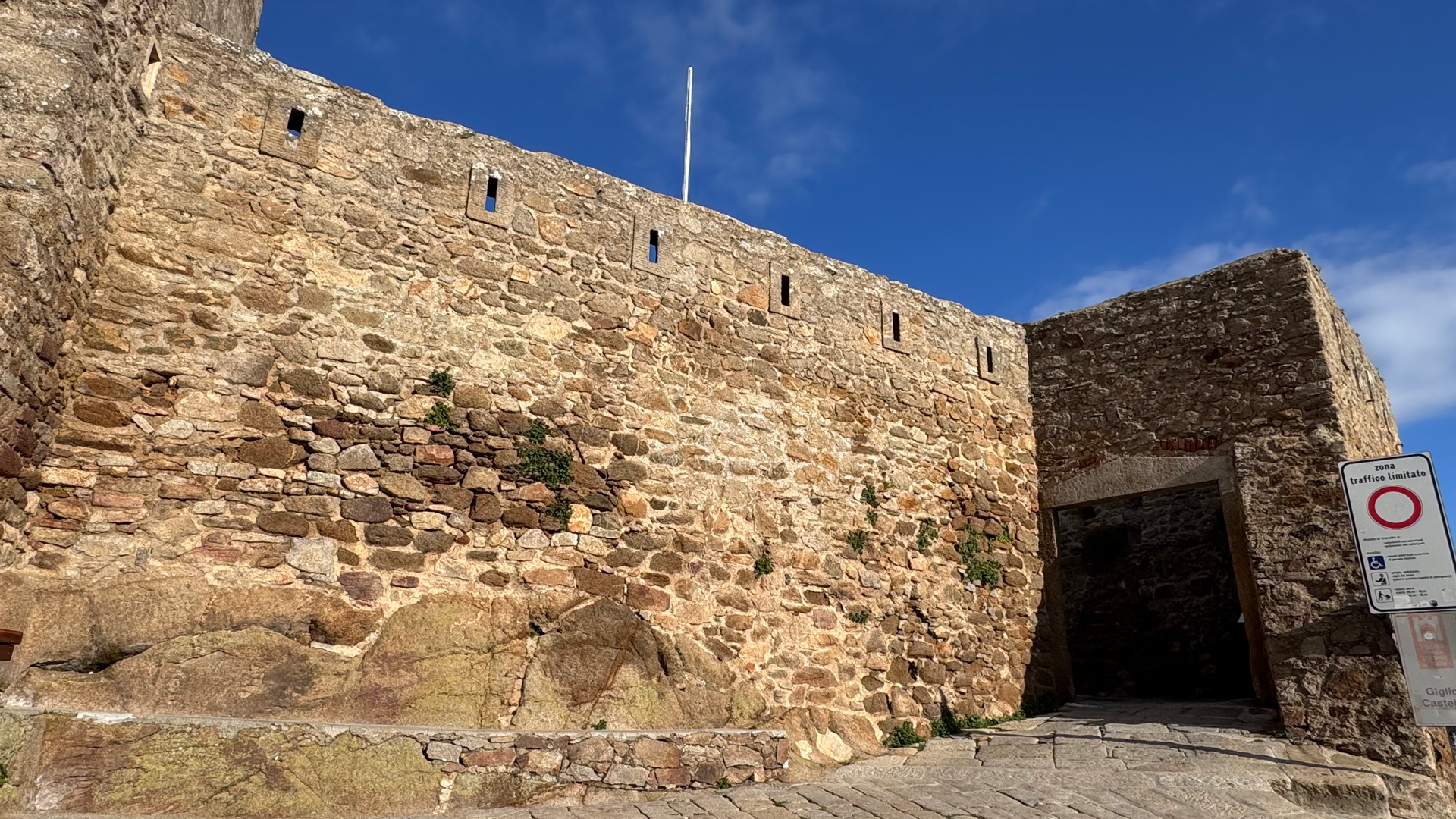
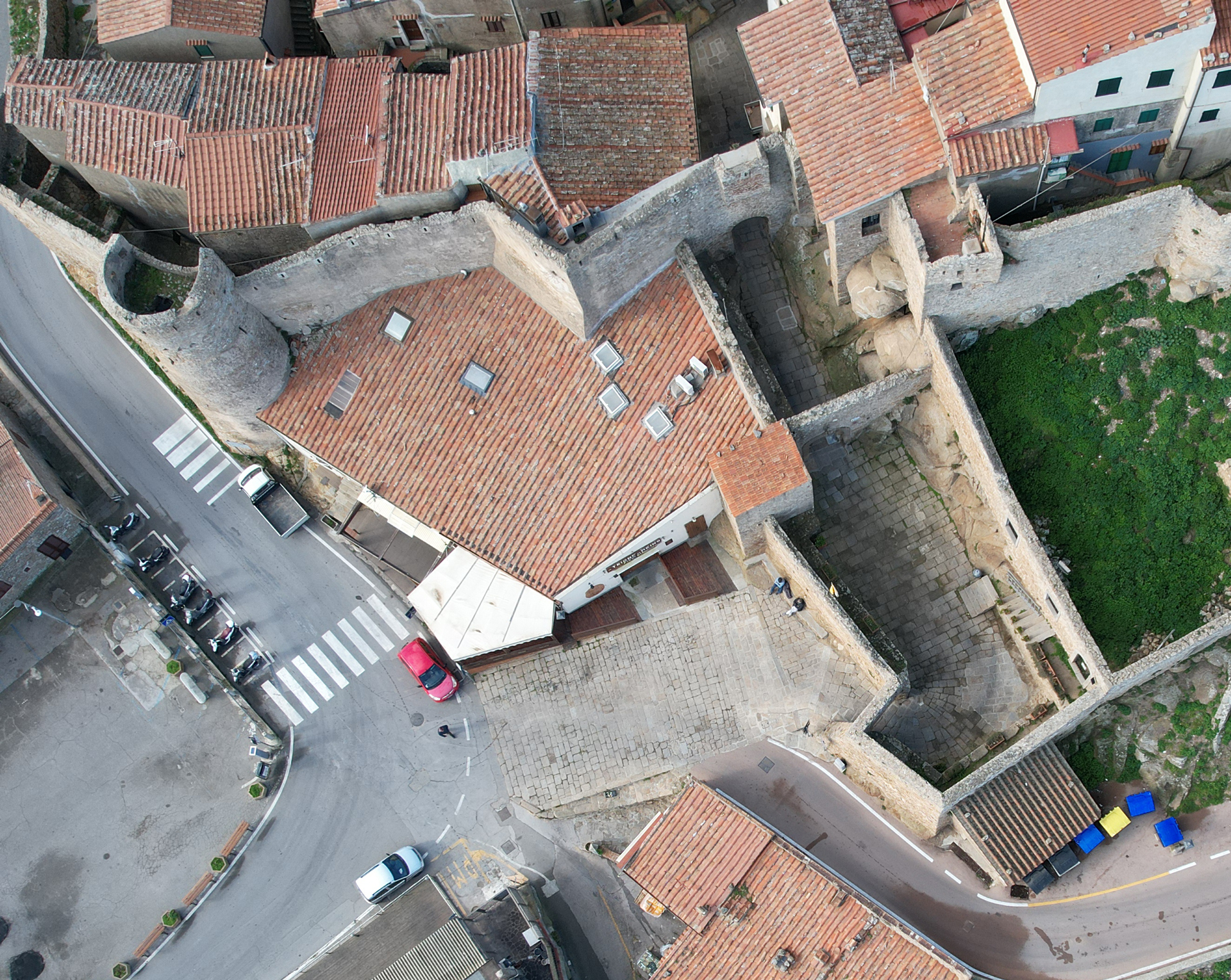
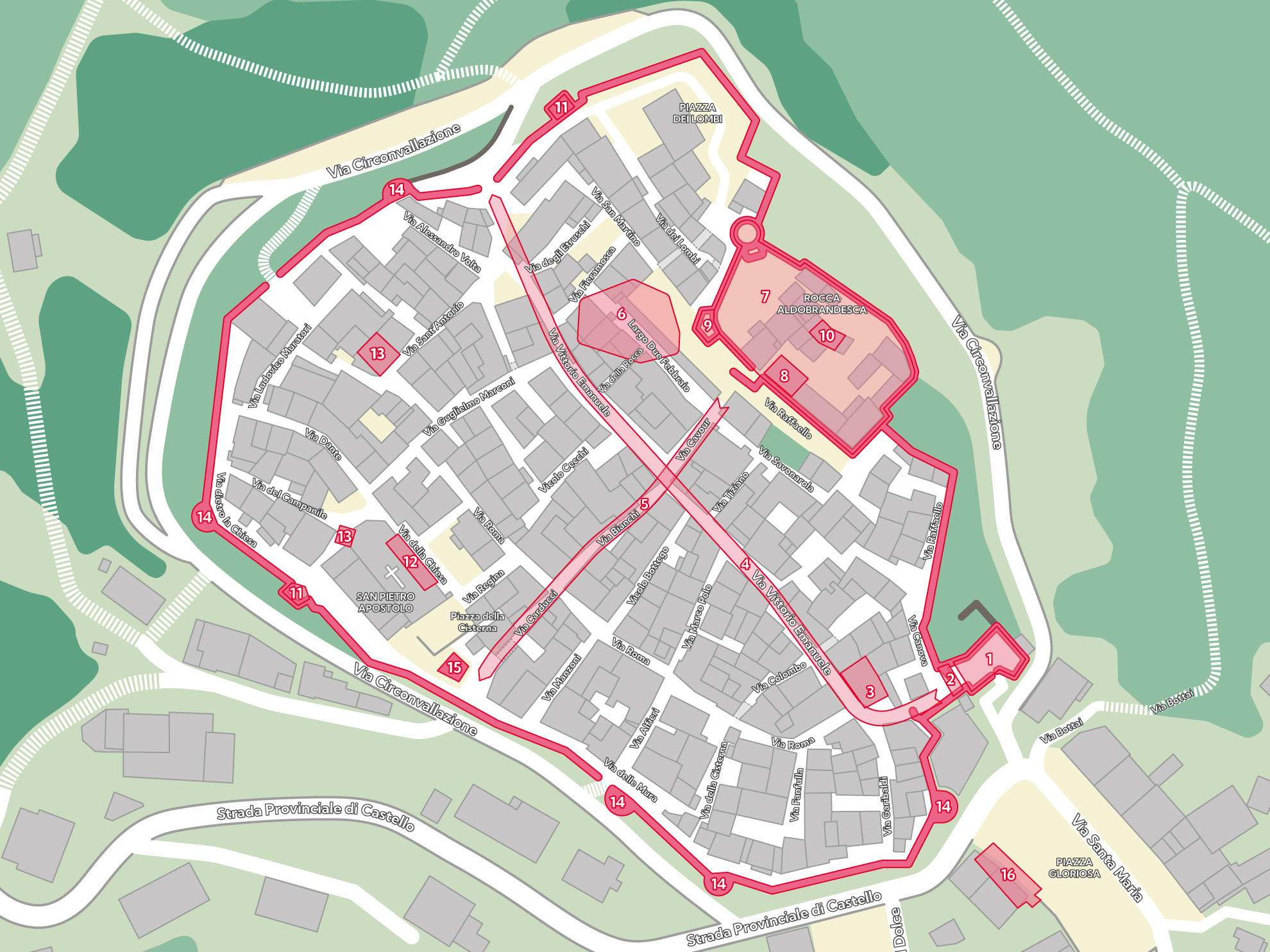
In the particular case of the Giglio Castello, the doorstep was not merely a passageway, but led to an enclosed environment, an area that served as a control zone.
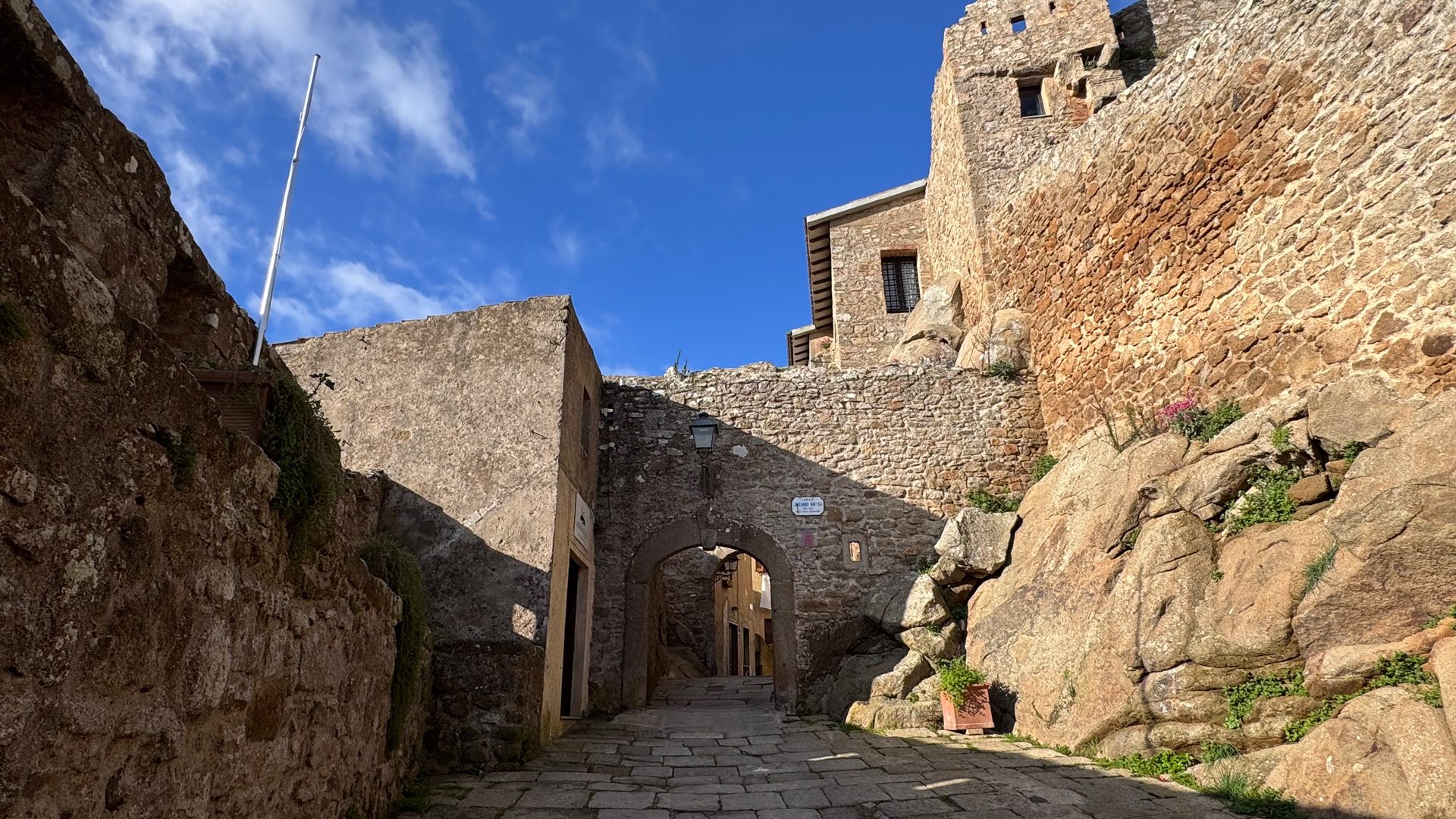
From this area, in fact, it was possible to monitor and verify access to the only gate that led toward the village, the surrounding settlement.
The presence of this transit and control area had an important function: it allowed access to be managed and ensured that only those who were authorized could enter, greatly increasing the security of the entire facility.
The intervention that led to the creation of this defense system appears to have been part of a phase of Medici restructuring.
The Medici dynasty, notoriously interested in fortifying and strengthening their properties, probably made structural changes at a later date, aiming to improve the efficiency and solidity of the defenses.
An interesting aspect that is noticeable in this architectural configuration is the difference in orientation between the main door and thefront door.
Their different arrangement was not accidental, but contributed significantly to increasing the overall security of access.
This particular architectural feature was intended to hinder entry to potential invaders, making orientation and quick entry to the town more difficult, especially in the event of an attack.