Fortified structure inside the fortress

The Keep

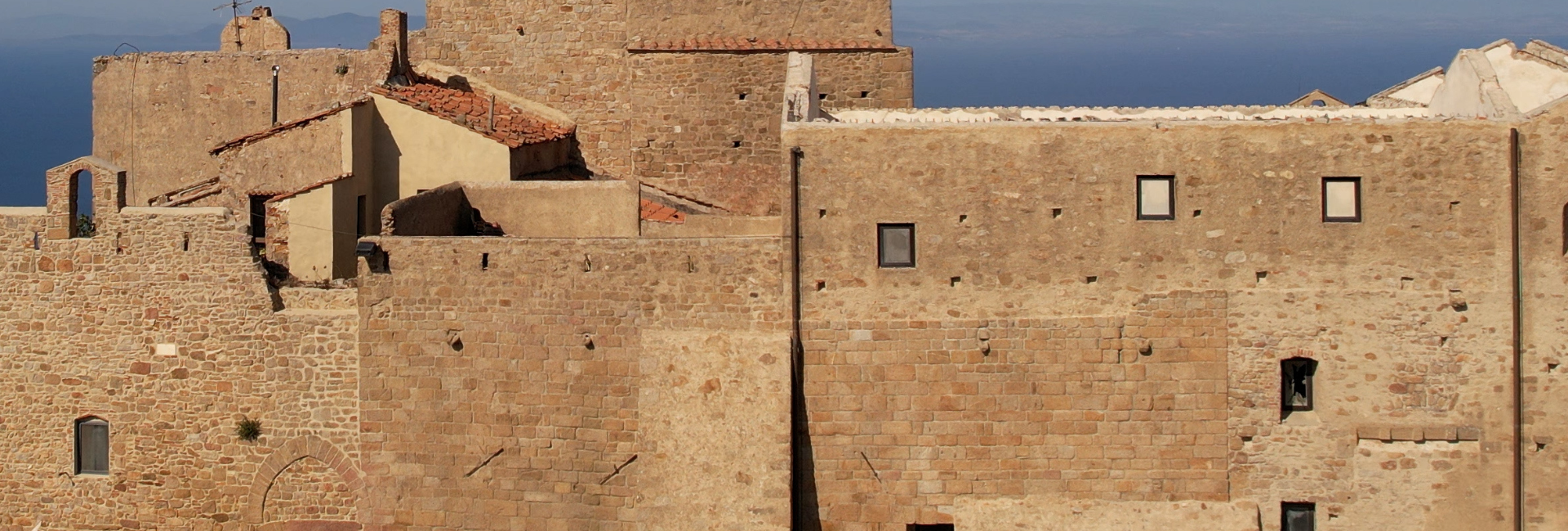
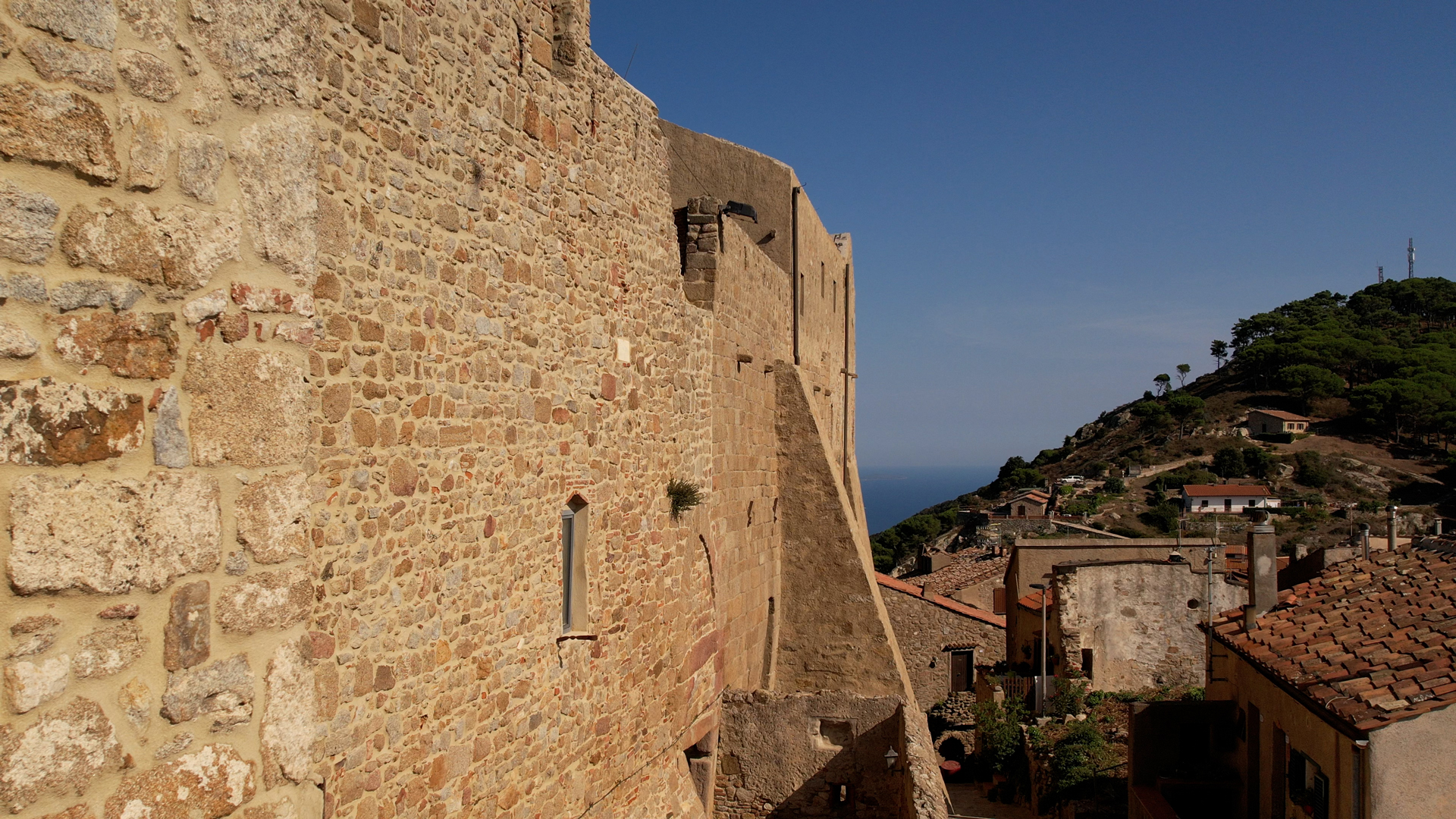
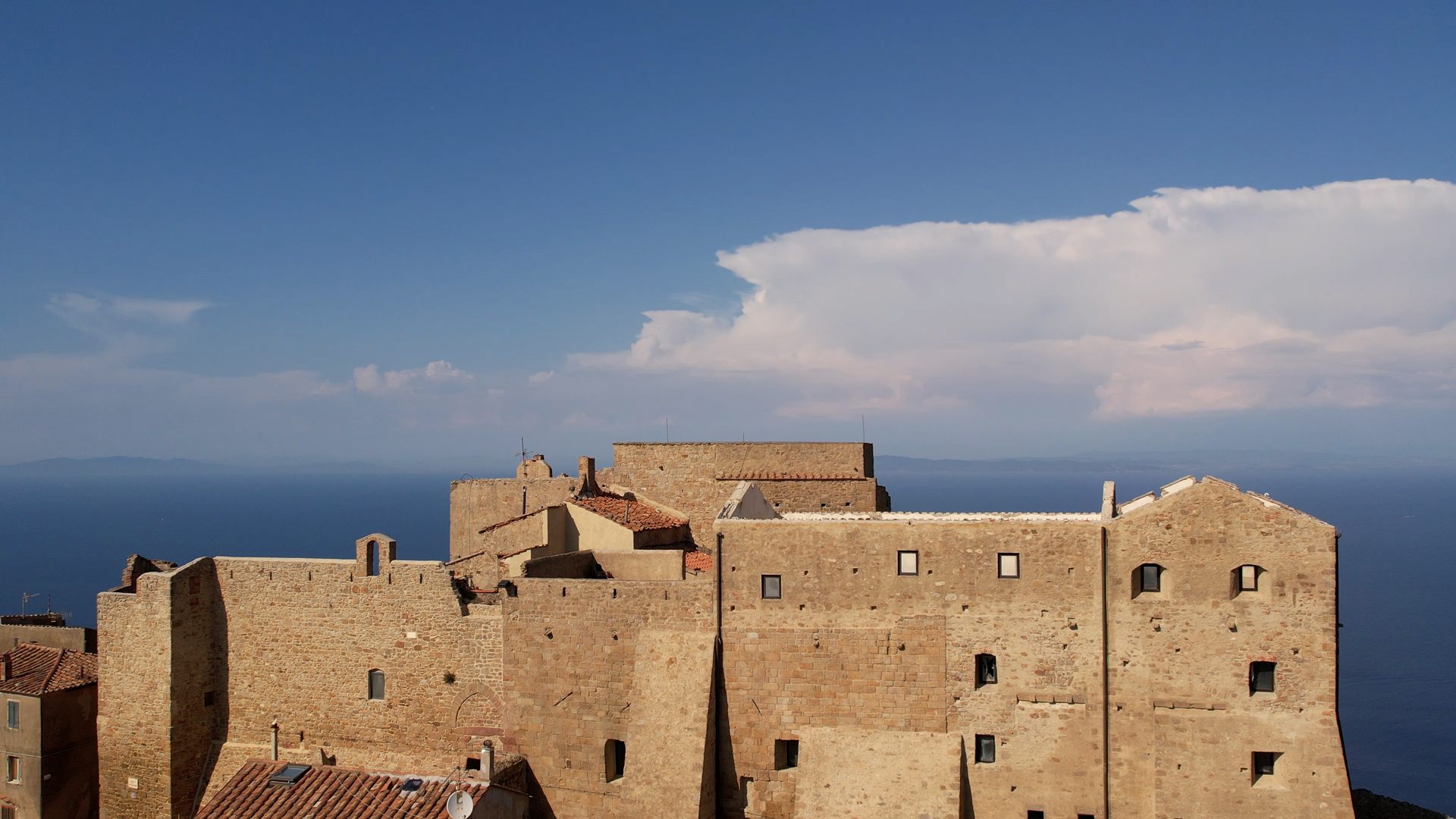
The image represents the walls of the stone keep.

🎧 Listen to the guide (Italian)

🎧 Listen to the guide (English)

🎧 Écoutez la guide (Français)

🎧 Escucha la guía (Español)

🎧 Hör dir die Führung an (Deutsch)

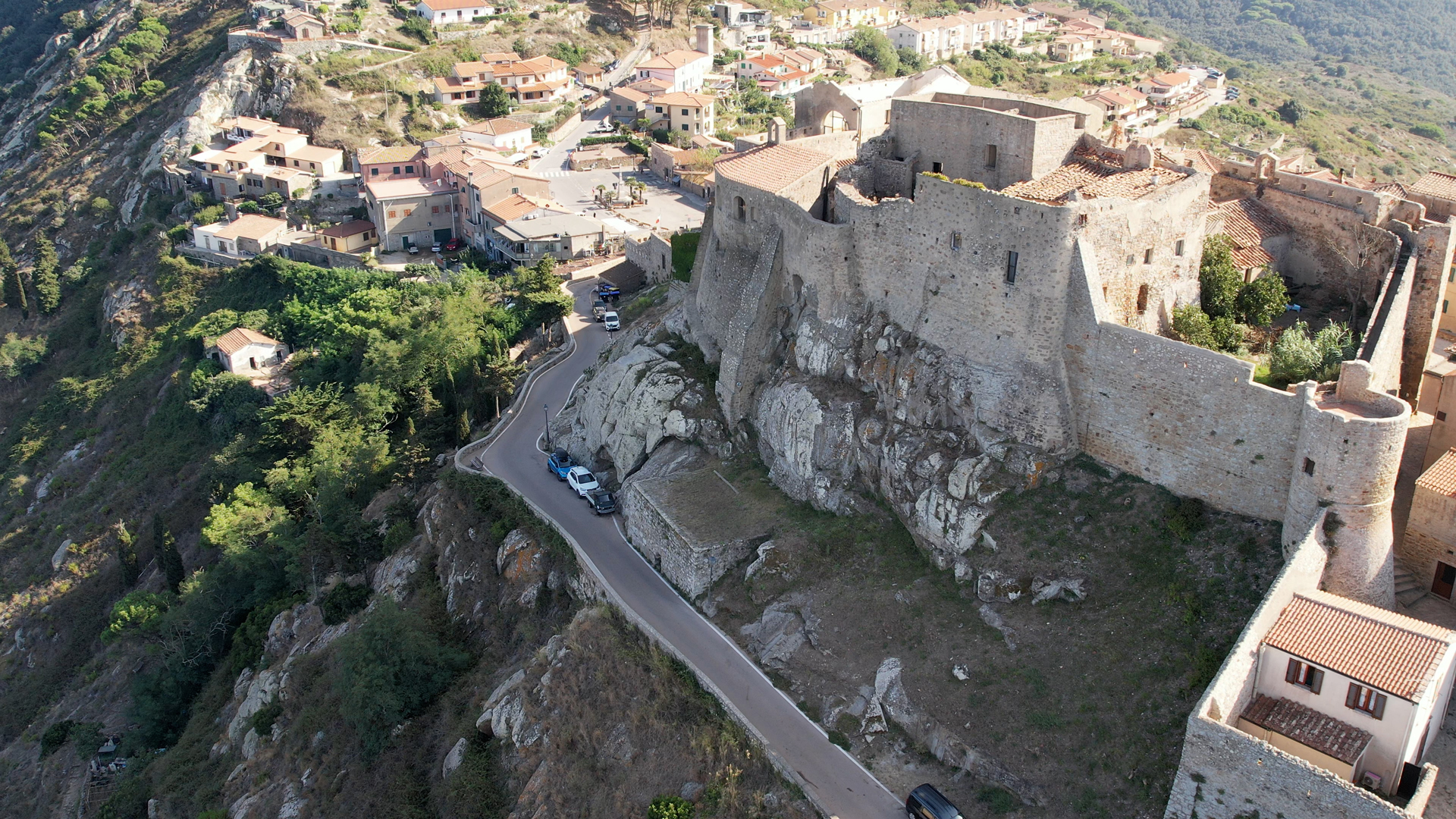
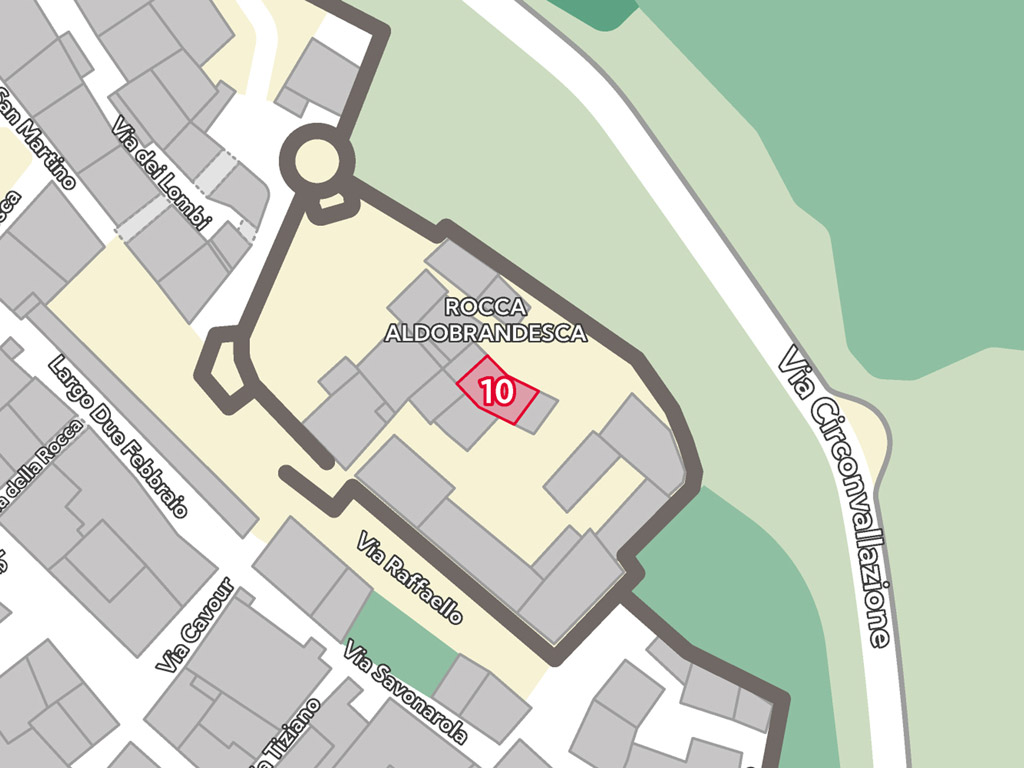
The fortified structure placed on top of the castle has its own stratigraphic articulation.

In particular, we have a portion of masonry later incorporated into the very topmost building of the fortress that may have been part of an ancient keep (the Magi report of 1676 in Roani Villani 1993, p. 102, perhaps seems to allude to this).

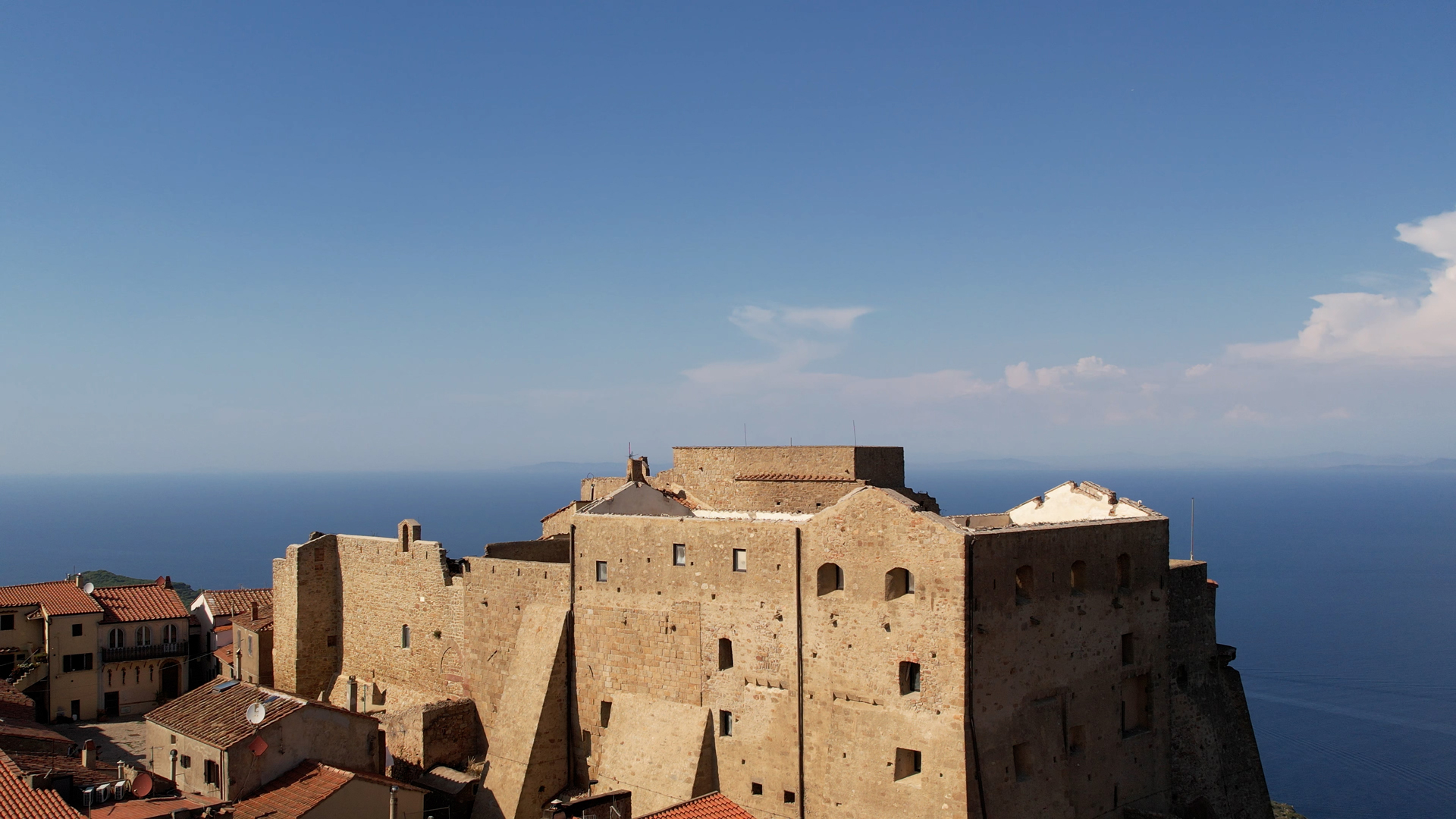
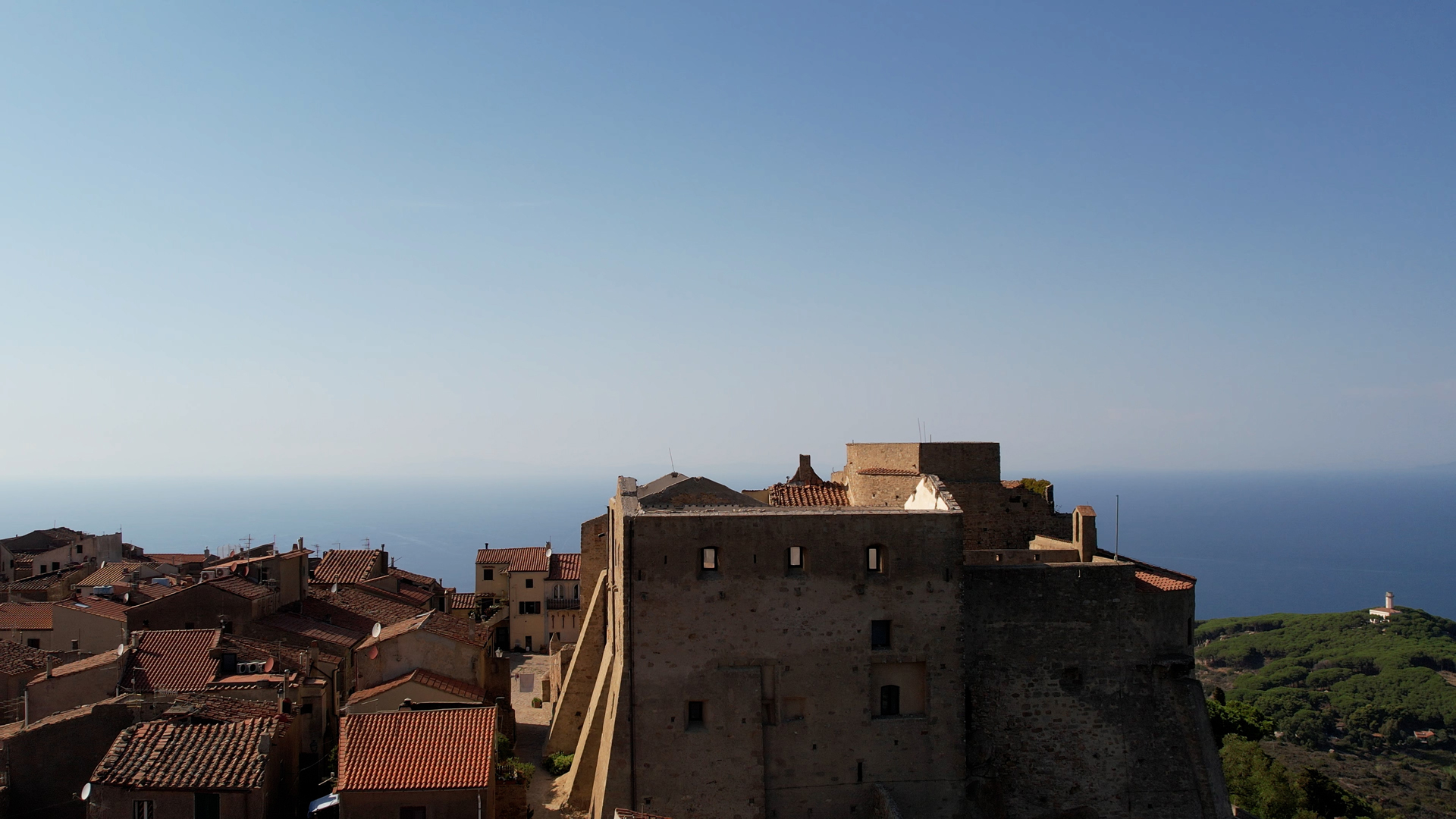
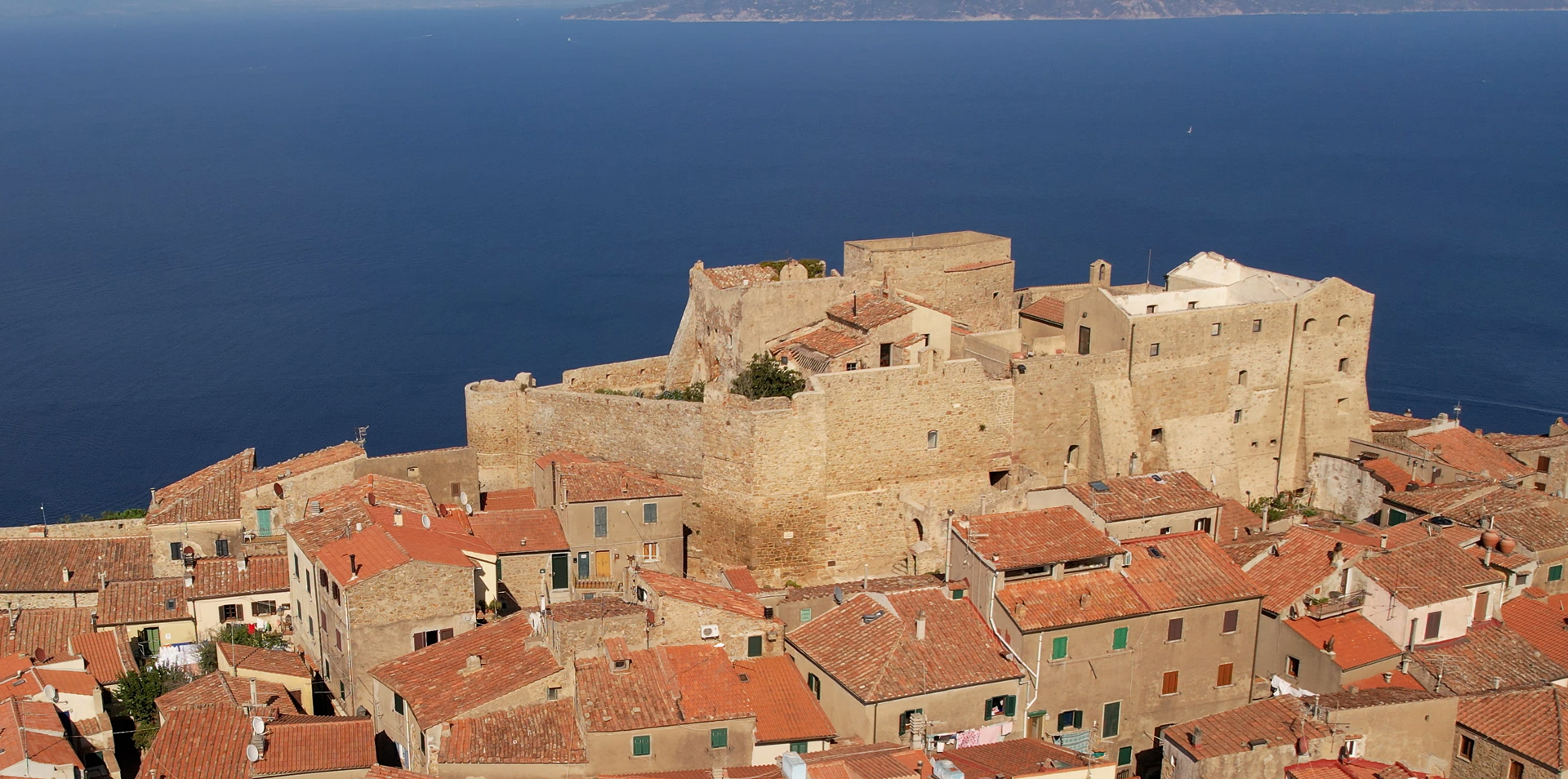
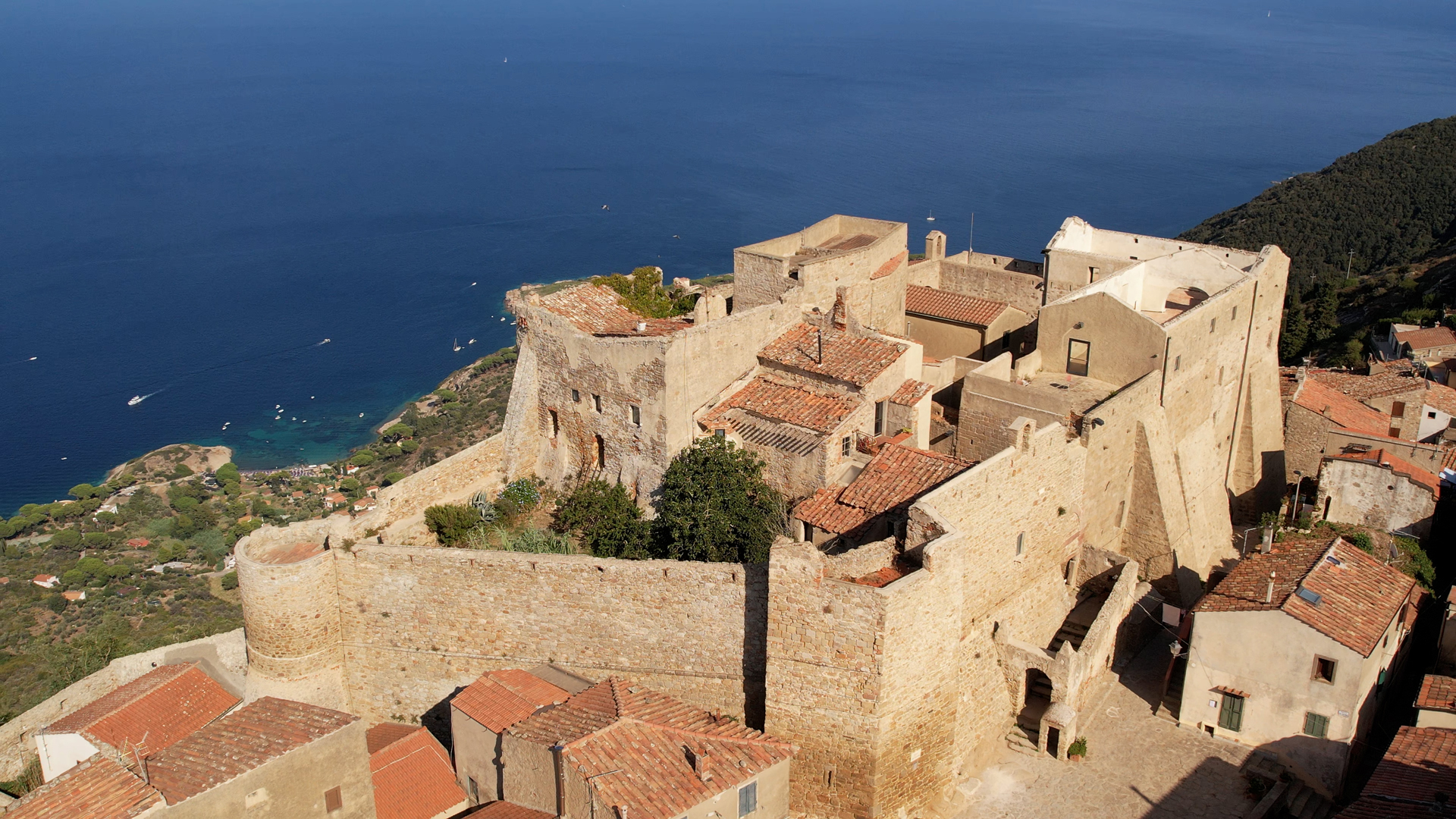
The image shows another view of the upper part of Giglio Castello, surrounded by sky and sea.

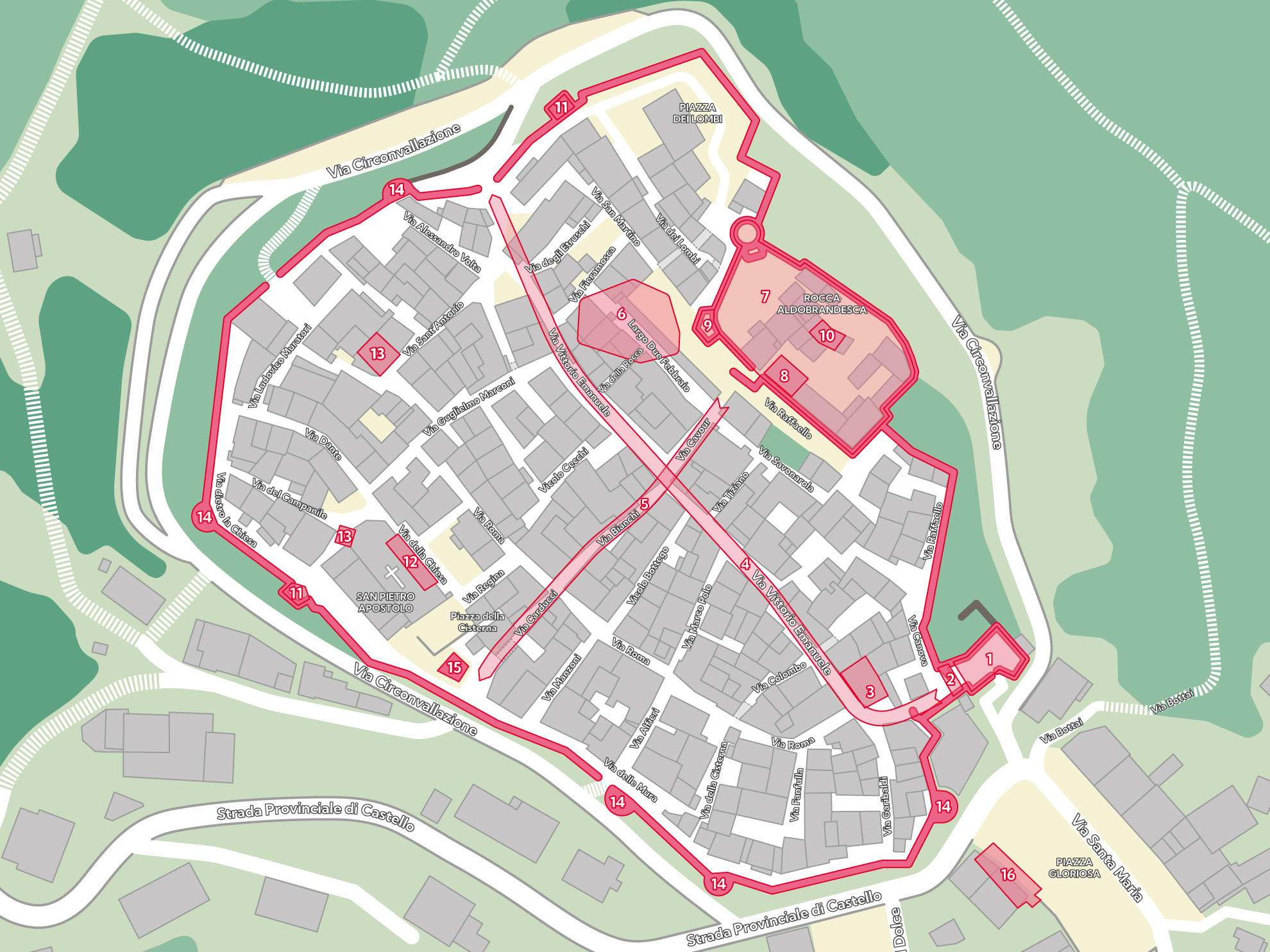
Its filarotto stone texture (stone blocks squared and worked on all surfaces arranged to form horizontal courses of regular height and bound with lime mortar) typical of the Romanesque period orients for an action coeval with the Church of the Holy Trinity (12).

The building must have had a rectangular shape of about 30 square meters, and even on the southern flank it is possible to see part of the original preserved face.

Because of its size and shape we can ascribe it to the Donjon type, which was very common in European fortifications between the 11th and 12th centuries.

Some information comes from the 1558 statutes.

In them we find the cassero mentioned as a rocha (Statutes, I, XXXIII, II, XXX) with a military function, as distinct from the castle, which is the term always used to refer to the entire town.

However, this designation must refer to the structure that we see even today and which was probably built between the 14th and 15th centuries judging by the texture of the masonry, which has irregular courses of ashlars sometimes reused, sometimes hewed but not worked, bound with lime mortar.