This connection with civil administration makes it a reference point for the study of administrative organization and management over the centuries.
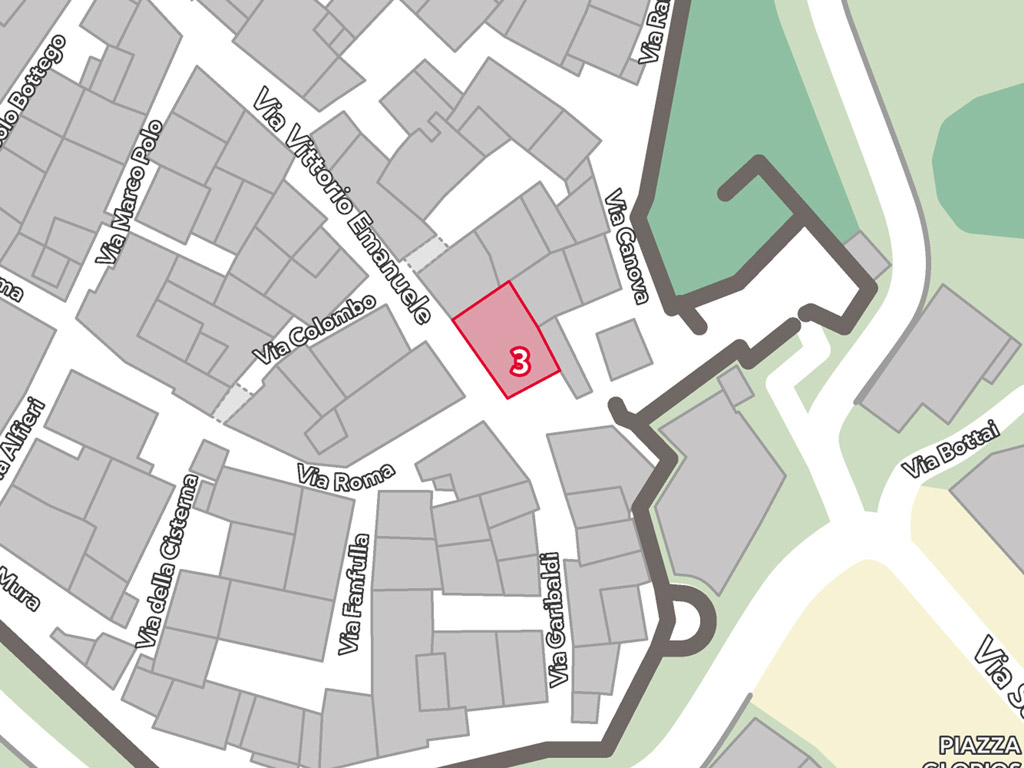
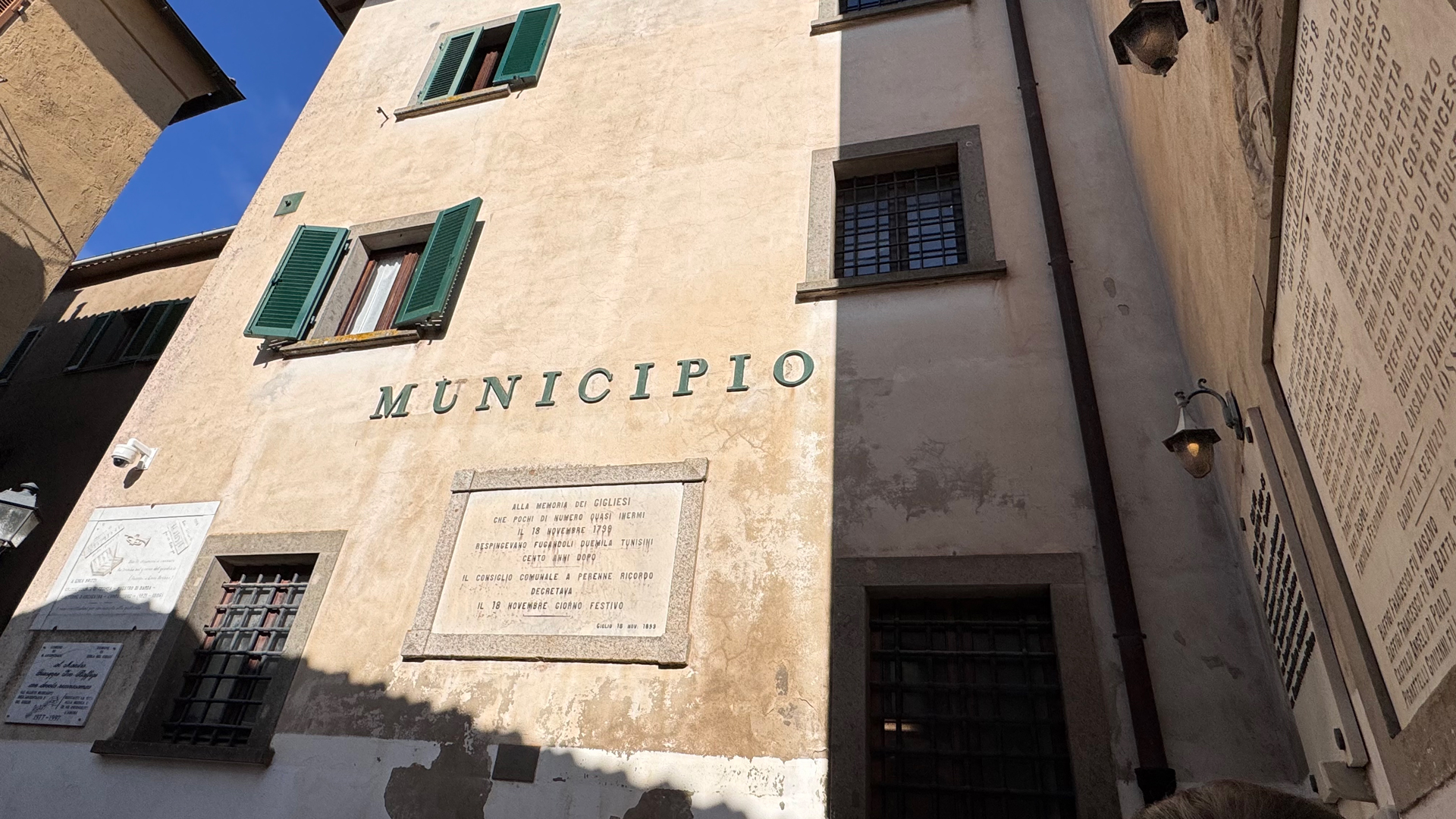
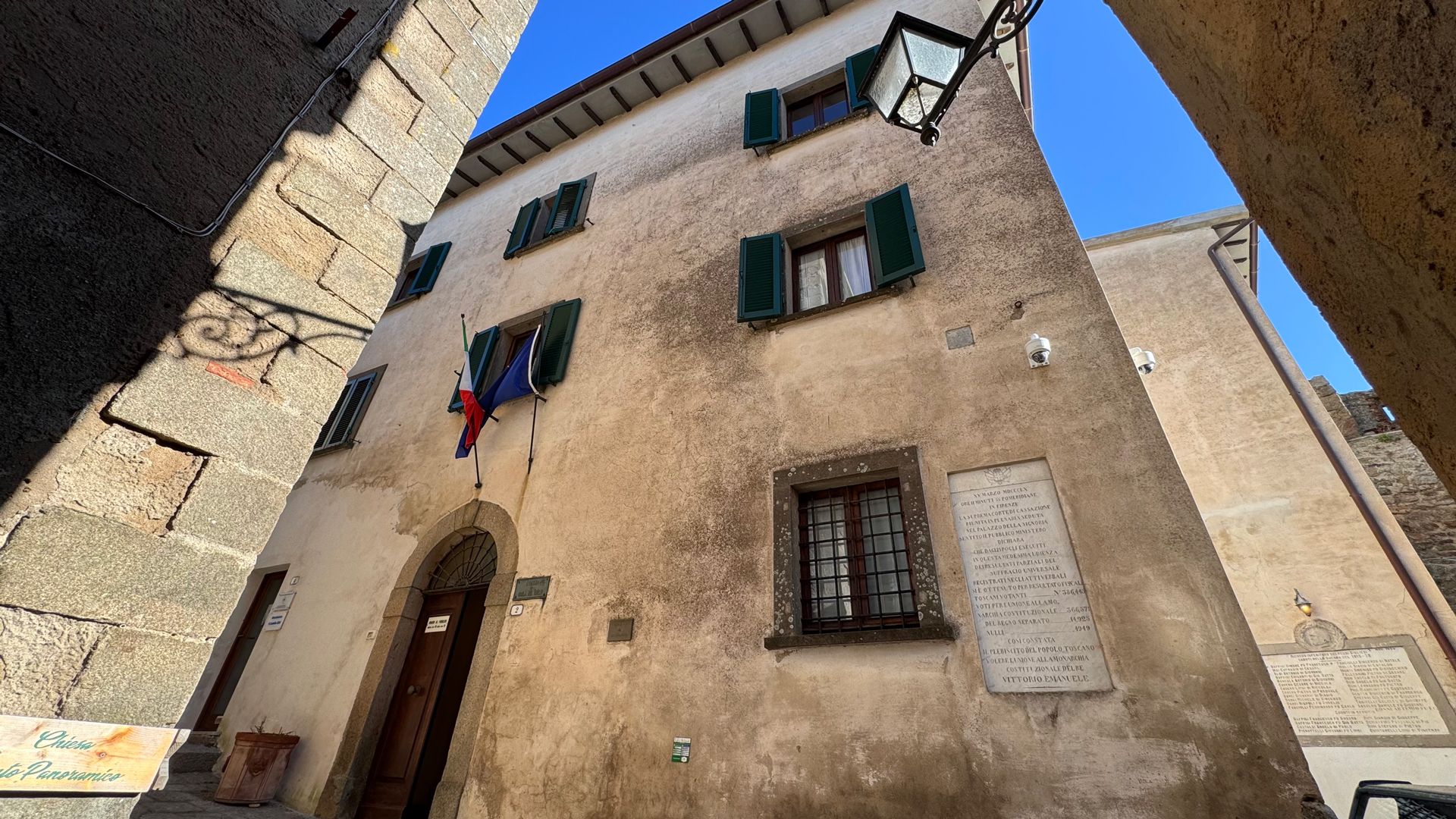
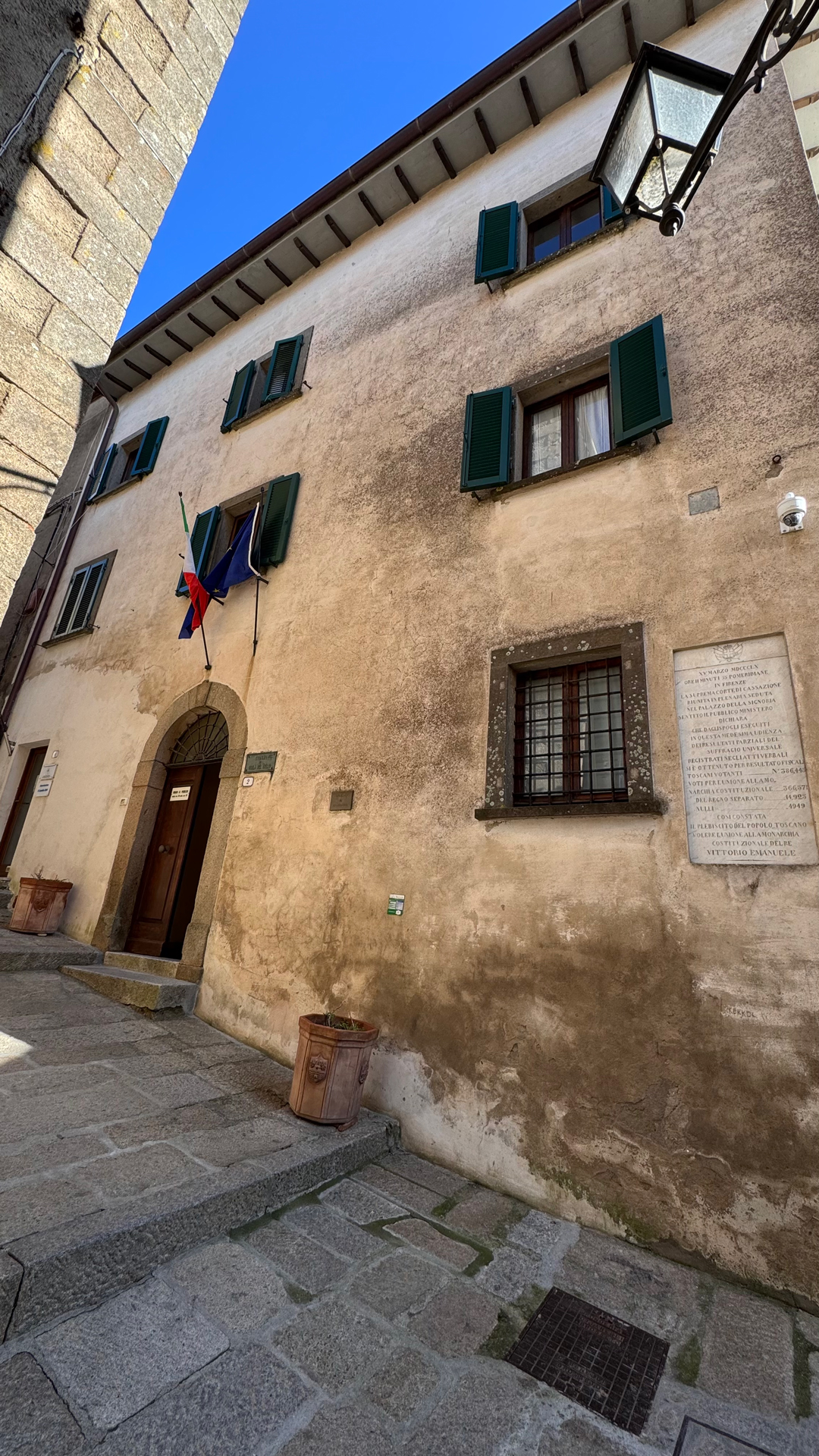
An item of particular interest to historians is the plan drawn up by the famous architect Giovanni Boldrini in 1793. This detailed plan concerned the construction of a new palace, which was to replace the pre-existing structure, and which is to be identified with the present building that houses the City Hall.
Boldrini's plan is an important testimony, not only for its architectural value, but also for its value as a historical document that tells the transformation of the village and its institutions over time.
The praetorian palace underwent major alterations in 1838, when it was further expanded with the construction of an oven, an additional specific room dedicated to hearings, and a bathroom intended for the minister, who was probably in the palace as a representative of the local government.
In addition to these major improvements, a prison renovation was also initiated, a key element in improving prison conditions and enhancing the administrative and justice functions of the palace.
These changes reflect the evolving practical and functional needs of the building, which, over time, has continued to play a key role in the administrative life of the city.